
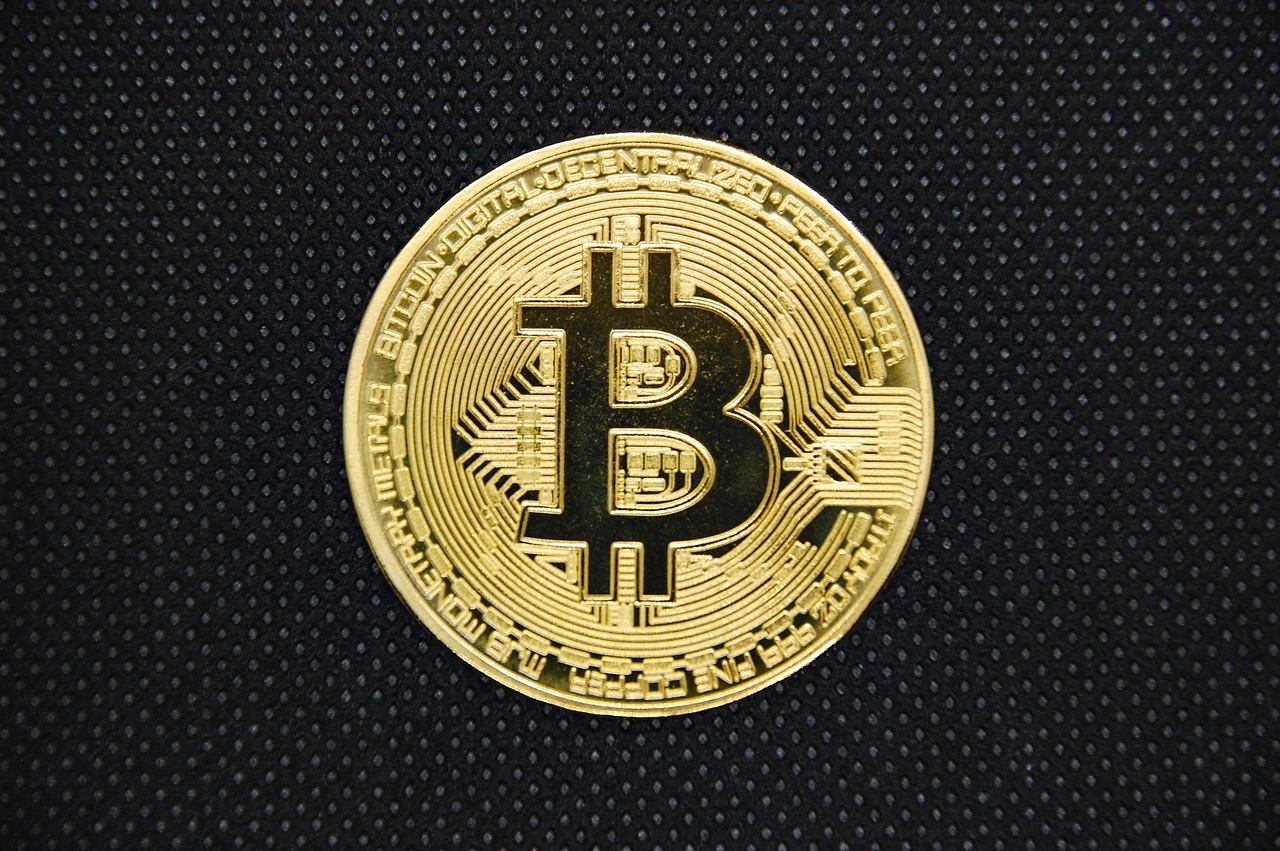
Bitcoin: A Complete Guide to the World’s Leading Digital Asset
Bitcoin has become one of the most talked-about financial assets in the world, transforming how investors, institutions, and everyday individuals think about money, wealth preservation, and long-term portfolio growth. What began as a decentralized digital currency experiment has evolved into a globally recognized asset class that continues to influence conversations around finance, inflation, investment strategy, and the future of the monetary system.
Whether you are a new investor researching digital assets for the first time or an experienced high-net-worth individual seeking to understand how Bitcoin fits into a diversified portfolio, it is essential to grasp what Bitcoin is, why it matters, and how it may align with your broader financial goals.
In this comprehensive guide, we will explore what Bitcoin is, how it works, why it has gained widespread attention, what drives its value, the risks investors should consider, and why many now view Bitcoin as a strategic long-term allocation rather than a speculative trend.
What Is Bitcoin?
Bitcoin is a decentralized digital asset that enables peer-to-peer value transfer over the internet without relying on banks, governments, or centralized intermediaries. It was introduced in 2009 by an anonymous individual or group known as Satoshi Nakamoto. Bitcoin operates on a blockchain, a distributed ledger that records all transactions in a transparent and secure manner.
Unlike traditional currencies such as the U.S. dollar or euro, Bitcoin is not issued or controlled by any central authority. Instead, it is maintained by a global network of computers that validate transactions and secure the system through a process known as mining. This decentralized structure is one of Bitcoin’s defining features and a key reason it is often referred to as “digital gold.”
Bitcoin was designed with a fixed supply of 21 million coins, making it inherently scarce. This scarcity is a major factor behind its appeal as a potential hedge against inflation, currency debasement, and long-term erosion of purchasing power.
Why Bitcoin Matters in Today’s Financial Landscape
The rise of Bitcoin has fundamentally changed how many investors think about money, scarcity, and financial independence. Traditional financial systems rely on centralized institutions and monetary policies that can expand the money supply. Bitcoin offers an alternative system based on transparency, decentralization, and fixed supply.
Bitcoin matters because it introduces a new type of asset that is:
Digitally native
Globally accessible
Limited in supply
Decentralized
Transferable 24/7
Independent of traditional banking systems
For investors, Bitcoin represents more than just a payment network. It has evolved into a macro asset, a store-of-value thesis, and a strategic investment for those seeking exposure to digital assets and alternative stores of wealth.
Over time, Bitcoin has increasingly been compared to gold due to its scarcity, durability, and resistance to inflationary monetary policies. While gold has served as a store of value for centuries, Bitcoin is often viewed as a modern digital alternative that can be stored, transferred, and verified more efficiently.
How Bitcoin Works
To understand Bitcoin, it is important to understand the technology behind it. Bitcoin operates on a blockchain, which is a decentralized ledger that records all transactions in chronological order. Instead of a single institution maintaining the ledger, thousands of computers worldwide participate in validating and securing the network.
The Blockchain
Every Bitcoin transaction is grouped into a block. Once verified, the block is added to a chain of previous blocks, creating a permanent and tamper-resistant record. This system ensures transparency and security across the network.
The blockchain allows users to verify transactions independently without relying on a central authority. This innovation is one of the reasons Bitcoin is considered revolutionary in both finance and technology.
Mining
Mining is the process through which new Bitcoin is created and transactions are validated. Miners use computational power to solve complex mathematical problems. When successful, they are rewarded with newly minted Bitcoin and transaction fees.
Mining serves two essential purposes:
Securing the network
Controlling the issuance of new Bitcoin
Because mining requires energy and infrastructure, it introduces a cost basis for Bitcoin production, similar to how gold mining requires resources and labor.
Supply and Halving
Bitcoin’s supply is capped at 21 million coins. New Bitcoin is released through mining rewards, but approximately every four years, these rewards are cut in half in an event known as the Bitcoin halving.
Halvings reduce the rate at which new Bitcoin enters circulation, increasing scarcity over time. Historically, these events have played a significant role in Bitcoin’s market cycles and are closely monitored by investors.
Why Investors Buy Bitcoin
There are several reasons why investors allocate capital to Bitcoin, depending on their goals, risk tolerance, and time horizon.
1. Scarcity
Bitcoin’s fixed supply makes it unique among financial assets. Unlike fiat currencies, which can be printed in unlimited quantities, Bitcoin’s supply is predetermined and transparent.
2. Store of Value Potential
Many investors view Bitcoin as a modern store of value. Its scarcity, portability, and global accessibility make it an attractive alternative to traditional assets like gold.
3. Portfolio Diversification
Bitcoin offers diversification benefits due to its unique characteristics. While volatile, it may enhance portfolio performance when used as a small allocation within a broader investment strategy.
4. Institutional Adoption
Bitcoin has gained acceptance among institutional investors, including hedge funds, asset managers, and publicly traded companies. This adoption has increased its legitimacy and expanded market infrastructure.
5. Global Accessibility
Bitcoin can be accessed and transferred globally without reliance on traditional financial systems, making it particularly valuable in regions with unstable currencies or limited banking access.
Bitcoin as Digital Gold
One of the most common narratives surrounding Bitcoin is its comparison to gold. Both assets share characteristics such as scarcity, independence from fiat systems, and store-of-value potential.
However, Bitcoin offers advantages in portability, divisibility, and ease of verification. While gold has a long history, Bitcoin represents a digital evolution of the store-of-value concept.
What Drives the Price of Bitcoin?
The price of Bitcoin is influenced by multiple factors:
Supply and Demand
Limited supply combined with increasing demand can drive price appreciation.
Market Sentiment
Investor sentiment, news, and media coverage can significantly impact price movements.
Macroeconomic Conditions
Inflation, interest rates, and global economic trends influence Bitcoin’s role as an alternative asset.
Institutional Flows
Large-scale investments from institutions can affect market dynamics.
Regulation
Regulatory clarity or uncertainty can impact adoption and investor confidence.
Risks of Investing in Bitcoin
While Bitcoin offers potential benefits, it also carries risks:
Volatility
Bitcoin is known for significant price fluctuations, which can lead to short-term losses.
Regulatory Uncertainty
Regulations surrounding digital assets continue to evolve globally.
Custody and Security
Proper storage and security measures are essential to protect holdings.
Market Cycles
Bitcoin has experienced boom-and-bust cycles that can challenge investor discipline.
Concentration Risk
Overexposure to Bitcoin can increase overall portfolio risk.
Bitcoin vs Traditional Investments
When evaluating Bitcoin, investors often compare it to traditional assets:
Stocks
Stocks generate earnings and dividends, while Bitcoin’s value is driven by supply and demand.
Bonds
Bonds provide income and stability, whereas Bitcoin focuses on growth potential.
Real Estate
Real estate offers income but lacks the liquidity and portability of Bitcoin.
Gold
Gold is a traditional store of value, while Bitcoin is a digital alternative with enhanced mobility.
How to Think About Bitcoin in a Portfolio
Determining how much Bitcoin to include in a portfolio depends on individual factors such as risk tolerance, investment goals, and time horizon.
Some investors allocate a small percentage for growth potential, while others assign a larger allocation based on long-term conviction. The key is to approach Bitcoin strategically rather than emotionally.
Long-Term Investment Thesis
The long-term thesis for Bitcoin includes:
Fixed supply in an inflationary environment
Increasing institutional adoption
Alignment with digital financial transformation
Growing recognition as a strategic asset
Common Questions
Is Bitcoin a good investment?
Bitcoin can be a valuable investment depending on individual goals and risk tolerance.
Is Bitcoin too volatile?
While volatile, proper allocation can help manage risk.
Can Bitcoin go to zero?
Although unlikely given its adoption, no investment is risk-free.
Should investors own Bitcoin directly?
Both direct ownership and managed strategies are viable options depending on investor preferences.
The Future of Bitcoin
The future of Bitcoin will likely be shaped by adoption, regulation, and macroeconomic trends. As digital assets continue to gain traction, Bitcoin is expected to remain a central component of the evolving financial landscape.
How Crypto Asset Managers Can Help
Understanding Bitcoin is only the first step. Professional guidance can help investors navigate the complexities of digital asset investing.
Crypto Asset Managers provide:
Strategic portfolio guidance
Risk management frameworks
Institutional-grade research
Allocation planning
Professional oversight
Final Thoughts on Bitcoin
Bitcoin has emerged as one of the most important financial innovations of the modern era, offering a scarce, decentralized, and globally accessible digital asset that continues to reshape how investors think about money, wealth preservation, and long-term investment strategy.


