
Navigating the Risks of Crypto Assets: A Comprehensive Guide to Secure Investing
In today’s digitally-driven world, crypto assets have become an increasingly popular investment option. However, with their rapid rise in popularity also comes a multitude of risks that investors need to be aware of and navigate. If you’re looking to venture into the world of crypto assets, it’s essential to have a comprehensive understanding of how to invest securely.
In this guide, we will delve into the various risks associated with crypto assets and provide you with valuable insights on how to protect your investments. From the volatility of the market to the potential for scams and hacking, we’ll explore the key risks that can threaten your crypto portfolio.
Moreover, we will equip you with actionable strategies to mitigate these risks and make informed investment decisions. Whether you’re a novice considering your first crypto investment or an experienced investor looking to enhance your security practices, this guide is designed to empower you with the knowledge and tools necessary to navigate the risks of crypto assets confidently.
Join us as we unravel the complexities of crypto investing and ensure a secure path towards financial prosperity in this dynamic digital landscape.
Understanding Crypto Assets
Crypto assets, commonly referred to as cryptocurrencies, are digital or virtual currencies that utilize cryptography for security. This innovative technology ensures that transactions are secure while also controlling the creation of additional units. Bitcoin, the first and most recognized crypto asset, was introduced in 2009 by an anonymous entity known as Satoshi Nakamoto. It has since paved the way for thousands of other cryptocurrencies, each with unique features and purposes. Understanding the fundamental nature of these assets is essential for any prospective investor looking to navigate this complex landscape.
The underlying technology that powers crypto assets, known as blockchain, is a decentralized ledger that records all transactions across a network of computers. This decentralized nature is one of the key selling points of cryptocurrencies, as it removes the need for central authorities such as banks or governments. As a result, transactions can be processed more quickly and with lower fees. However, this also means that the responsibility for security and management rests entirely on the individual investor, marking a significant shift from traditional investment practices.
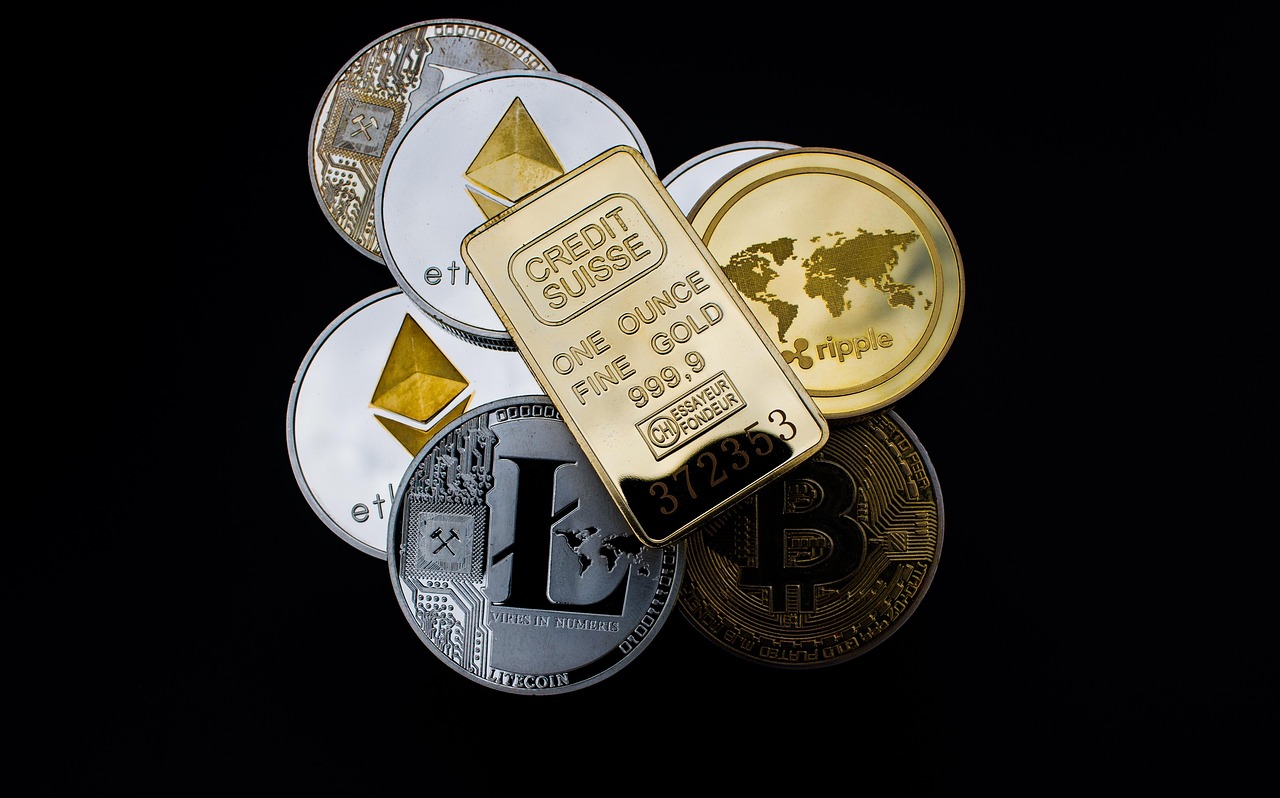
In addition to Bitcoin, there are various types of crypto assets, including altcoins, stablecoins, and utility tokens. Altcoins, or alternative coins, refer to any cryptocurrency other than Bitcoin, encompassing a wide range of digital currencies like Ethereum, Litecoin, and Ripple. Stablecoins are designed to maintain a stable value, often pegged to a fiat currency, to reduce volatility. Utility tokens serve specific functionalities within a given ecosystem, providing access to services or products. Familiarizing oneself with these different types of crypto assets is crucial to making informed investment choices, as each category carries distinct characteristics and risks.
The Risks Associated with Crypto Investing
Investing in crypto assets is not without its challenges and risks. One of the most significant risks is market volatility. The crypto market is known for its rapid price fluctuations, which can occur within minutes or even seconds. This volatility can lead to substantial gains, but it can also result in devastating losses for investors. Understanding the factors that contribute to these price swings—such as market sentiment, regulatory news, and technological developments—is vital for anyone looking to invest in this space.
Another critical risk is the potential for hacking and security breaches. Unlike traditional banking systems, which have multiple layers of security and consumer protections, the crypto market operates in a relatively unregulated environment. Exchanges and wallets can be vulnerable to cyberattacks, leading to the loss of funds for unsuspecting investors. As a result, it is essential to choose reputable platforms and implement robust security measures to protect your investments.
Regulatory uncertainty also poses a significant risk for crypto investors. As governments and financial authorities around the world grapple with how to regulate the rapidly evolving digital asset landscape, new laws and regulations can be introduced that may impact the value and legality of certain cryptocurrencies. This uncertainty can create an unpredictable investment environment, making it crucial for investors to stay informed about regulatory developments that could affect their portfolios.
Common Scams and Frauds in the Crypto Market
The crypto market, while innovative, unfortunately attracts its fair share of scams and fraudulent schemes. One of the most prevalent forms of fraud is the Ponzi scheme, where returns for older investors are paid using the capital from newer investors rather than from profit earned by the operation of a legitimate business. These schemes often promise high returns with little risk, luring unsuspecting individuals into investing their hard-earned money only to find that the operation collapses once new investments dwindle.
Another common scam involves phishing attacks, where fraudsters impersonate legitimate entities to steal private keys or sensitive information from investors. These attacks can occur via email, fake websites, or even social media. Investors are often tricked into entering their credentials or sending funds to malicious addresses. It is essential to be vigilant and verify the authenticity of communications and platforms before sharing any personal information or making transactions.
Pump and dump schemes are also rampant in the crypto market. In these schemes, a group of individuals artificially inflates the price of a low-value cryptocurrency by spreading false information and hype. Once the price reaches a certain point, these individuals sell off their holdings, leaving unsuspecting investors with worthless assets. Recognizing the signs of such schemes and conducting thorough research before investing can help mitigate the risks associated with these fraudulent practices.
How to Identify Legitimate Crypto Projects
With the proliferation of crypto assets, distinguishing between legitimate projects and scams has become increasingly important for investors. One of the first steps in evaluating a project is to examine its whitepaper. A credible project will typically provide a detailed whitepaper outlining its goals, technology, use cases, and team members. Scrutinizing the clarity and feasibility of the project’s objectives is essential, as vague promises or unrealistic claims can be red flags.
Additionally, assessing the project’s development team is crucial. Research the backgrounds and qualifications of the individuals involved in the project. A strong team with a proven track record in technology or finance can be a positive indicator of the project’s credibility. Engaging with the community surrounding the project, such as forums and social media platforms, can provide insights into the project’s reputation and the experiences of other investors.
Lastly, checking the project’s online presence and partnerships can offer valuable information about its legitimacy. Established projects often have active social media profiles, regular updates, and collaborations with reputable companies or organizations. Transparency and communication are key indicators of a legitimate project, while a lack of engagement or consistent updates may signal potential issues. Staying informed and conducting thorough research will empower investors to make educated decisions in the crypto space.
Best Practices for Secure Crypto Investing
To navigate the risks associated with crypto investing effectively, adopting best practices is paramount. First and foremost, conducting thorough research is essential before committing any funds. This involves understanding the specific cryptocurrencies you are interested in, their underlying technology, market trends, and the associated risks. Keeping abreast of market news and developments can also provide valuable insights that may influence your investment decisions.
Implementing robust security measures is another crucial aspect of secure investing. This includes using strong, unique passwords for your exchange and wallet accounts, enabling two-factor authentication, and regularly updating your security software. Consider utilizing hardware wallets for long-term storage of your crypto assets, as they provide an additional layer of protection against online threats. Avoid sharing sensitive information and be cautious about unsolicited communications, as phishing attempts are prevalent in the crypto space.
Diversifying your investment portfolio can also help mitigate risks. By spreading your investments across various cryptocurrencies and asset classes, you can reduce the impact of poor performance from any single investment. This strategy can enhance your overall risk-adjusted returns and provide a buffer against market volatility. Additionally, regularly reviewing and rebalancing your portfolio can ensure that your investments align with your risk tolerance and financial goals.
Secure Storage Options for Crypto Assets
Choosing the right storage option for your crypto assets is crucial for safeguarding your investments. There are several types of wallets available, each with its advantages and disadvantages. Hardware wallets, such as Ledger and Trezor, are physical devices that store your private keys offline, making them less susceptible to hacking. These wallets are ideal for long-term storage and are widely regarded as one of the safest options for holding cryptocurrencies.
In contrast, software wallets, which can be either desktop or mobile applications, offer convenience for daily transactions. While they are easier to access and use, they are more vulnerable to cyber threats, making it essential to implement security measures such as strong passwords and two-factor authentication. Always ensure that your software wallet is updated to the latest version to protect against potential vulnerabilities.
Additionally, paper wallets serve as a cold storage method, where your private keys are printed on a physical piece of paper. This method eliminates the risk of online hacking but requires careful handling to avoid loss or damage. Regardless of the storage option you choose, it is critical to back up your keys and recovery phrases securely. Losing access to your crypto assets due to forgotten passwords or lost devices can result in permanent loss, making careful storage practices essential for every investor.
Regulatory Considerations for Crypto Investments
As the crypto market continues to evolve, regulatory considerations have become increasingly important for investors. Different countries have implemented varying degrees of regulation, which can significantly impact the legality and viability of certain cryptocurrencies. Understanding the regulatory landscape in your jurisdiction is crucial for ensuring compliance and protecting your investments.
In many regions, regulatory bodies have begun to establish frameworks for cryptocurrency exchanges and Initial Coin Offerings (ICOs). These regulations are designed to protect investors from fraud and ensure that platforms operate transparently. Familiarizing yourself with the regulations that apply to your investments can help you avoid potential legal issues and safeguard your assets.
Moreover, staying informed about ongoing regulatory developments is critical in the dynamic world of crypto assets. Changes in regulations can have immediate effects on the market, influencing the value of cryptocurrencies and the operations of exchanges. Following reputable news sources and engaging with the crypto community can provide valuable insights into how regulations may impact your investments, allowing you to make informed decisions in a timely manner.
Diversifying Your Crypto Portfolio to Mitigate Risks
Diversification is a well-established investment strategy that can help mitigate risks in any portfolio, including crypto assets. By investing in a variety of cryptocurrencies, you can reduce the impact of price fluctuations in any single asset. This is particularly important in the volatile crypto market, where prices can swing dramatically in a short period.
When diversifying your crypto portfolio, consider including a mix of established cryptocurrencies like Bitcoin and Ethereum, as well as promising altcoins. Each asset class exhibits different characteristics and risks, which can provide a balanced approach to your investment strategy. Additionally, explore different sectors within the crypto space, such as decentralized finance (DeFi), non-fungible tokens (NFTs), and blockchain infrastructure projects, to further broaden your exposure.
Regularly reviewing and rebalancing your portfolio is also essential for maintaining an effective diversification strategy. As market conditions change, certain assets may outperform others, leading to an imbalanced portfolio. By periodically assessing your investments and making adjustments as needed, you can ensure that your portfolio remains aligned with your risk tolerance and investment objectives.
Staying Updated with the Latest Crypto News and Trends
In the fast-paced world of crypto investing, staying updated with the latest news and trends is crucial for making informed decisions. The crypto market is influenced by a myriad of factors, including technological advancements, regulatory changes, and market sentiment. By keeping abreast of these developments, investors can better anticipate price movements and make strategic investment choices.
Following reputable news sources, blogs, and social media platforms dedicated to cryptocurrencies can help you stay informed about significant events and trends. Engaging with the crypto community through forums and discussion groups can also provide valuable insights and perspectives. Many successful investors attribute their success to their ability to adapt to changing market conditions and leverage new information effectively.
Moreover, consider setting up alerts for specific cryptocurrencies or market events. Many news aggregators and trading platforms offer customizable alerts that can notify you of significant price changes, news articles, or regulatory updates. This proactive approach can help you react quickly to market developments, allowing you to capitalize on opportunities or protect your investments as needed.
Conclusion: Navigating the Risks of Crypto Assets
Navigating the risks associated with crypto assets requires diligence, knowledge, and a proactive approach. By understanding the nature of crypto assets and the potential risks involved, investors can make informed decisions that enhance their chances for success. Awareness of common scams and the ability to identify legitimate projects play a pivotal role in securing investments in this dynamic landscape.
Implementing best practices for secure investing and choosing appropriate storage options are essential steps every investor must take to safeguard their assets. Additionally, being cognizant of regulatory considerations and actively diversifying your portfolio can help mitigate risks and create a more resilient investment strategy.
Lastly, staying updated with the latest news and trends is vital in this ever-evolving market. By fostering a mindset of continuous learning and adaptation, investors can confidently navigate the complexities of crypto investing while positioning themselves for long-term financial prosperity. As you embark on your crypto investment journey, remember that informed decisions and strategic planning are key to mitigating risks and achieving your financial goals.


