
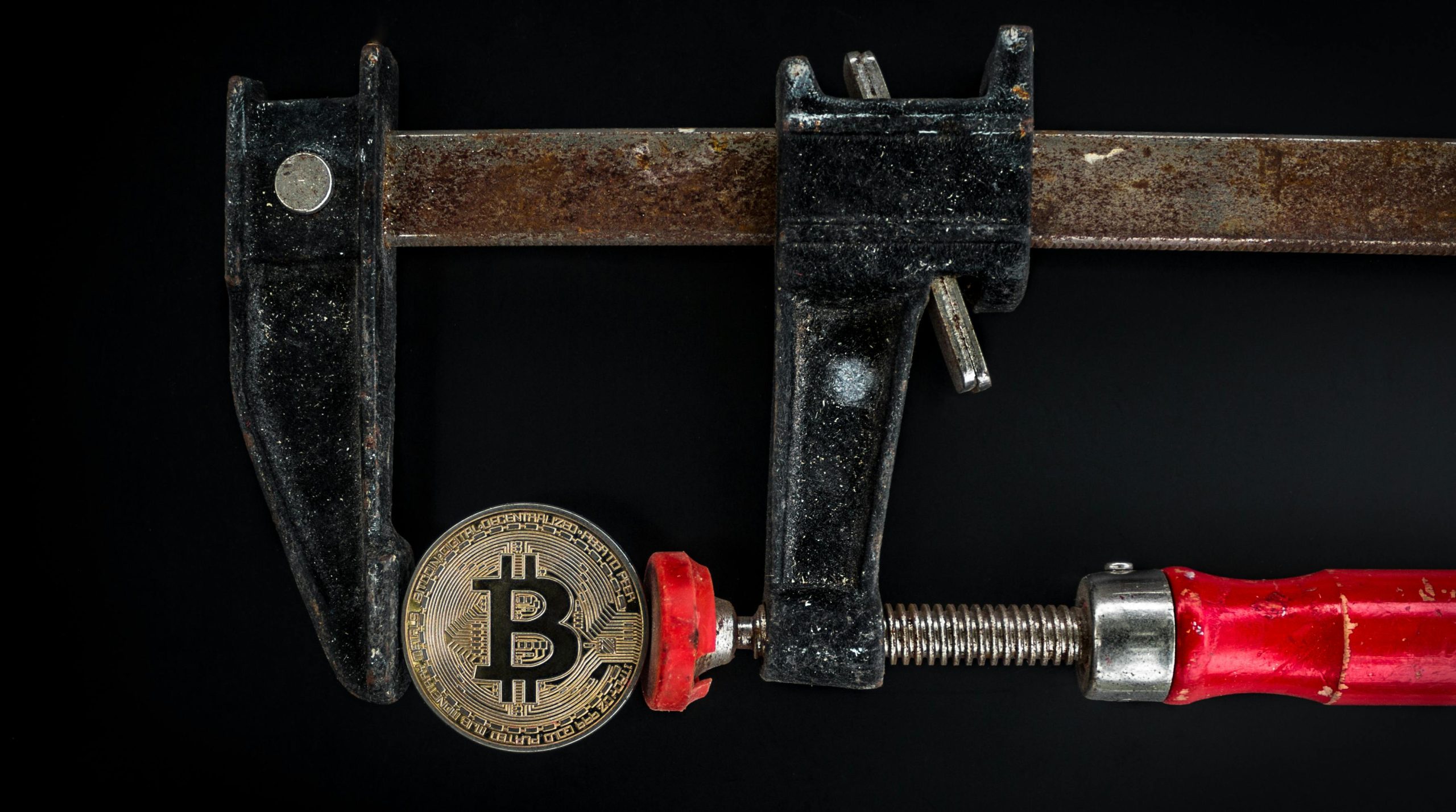
Demystifying the World of Blockchain Investing: Everything You Need to Know
Welcome to the exciting world of blockchain investing! Whether you’re a newbie or a seasoned investor, understanding the ins and outs of blockchain technology is essential to make informed investment decisions. In this article, we will demystify the world of blockchain investing and equip you with everything you need to know.
Blockchain, the revolutionary technology behind cryptocurrencies like Bitcoin, has far-reaching implications beyond its digital currency aspect. It has the potential to disrupt various industries and revolutionize how we transact, keep records, and establish trust.
From understanding the basics of blockchain technology to exploring investment opportunities, we will guide you through the key concepts and strategies. Learn about different types of blockchain investments, such as cryptocurrencies, tokens, and blockchain stocks. Discover the factors to consider when evaluating blockchain projects, including team expertise, market potential, and adoption rate.
Join us as we unravel the complexities of blockchain investing and empower you to navigate this dynamic and ever-evolving market with confidence. Stay tuned for invaluable insights, expert tips, and real-world examples that can help you maximize your blockchain investment potential.
What is blockchain technology?
Blockchain technology is essentially a decentralized digital ledger that records transactions across multiple computers. This ledger is designed to be secure, transparent, and immutable, meaning that once data has been recorded, it cannot be altered retroactively. Each block in the chain contains a number of transactions, and every time a new transaction occurs, it is added to the ledger in a new block. This structure allows for a high level of security and trust, as all participants in the network can view the same data, reducing the risk of fraud and manipulation.
One of the key features of blockchain technology is its use of cryptography to secure transactions. Each transaction is encrypted and linked to the previous transaction, forming a chain of blocks. This ensures that any attempt to alter a transaction would require the consensus of the majority of participants in the network, making it nearly impossible for malicious actors to tamper with the data. Additionally, the decentralized nature of blockchain means that there is no single point of failure. Even if one part of the network is compromised, the integrity of the data remains intact across the rest of the network.
Blockchain technology has applications beyond cryptocurrencies, including supply chain management, healthcare, finance, and more. By providing a reliable and transparent way to record and share data, blockchain has the potential to revolutionize various industries. For instance, in supply chain management, blockchain can enhance traceability and accountability, allowing consumers to verify the origins of products. Understanding these fundamentals of blockchain technology is crucial for anyone looking to invest in this rapidly evolving space, as they form the basis for evaluating different blockchain projects and investment opportunities.
Benefits of blockchain investing
Investing in blockchain technology offers numerous benefits, making it an attractive option for both new and experienced investors. One of the primary advantages is the potential for high returns. The blockchain sector has experienced significant growth over the past few years, particularly with the rise of cryptocurrencies. Early investors in Bitcoin and other digital assets have seen substantial profits, prompting many to explore further investment opportunities within the blockchain ecosystem.
Another benefit of blockchain investing is diversification. Blockchain technology encompasses various sectors, including finance, healthcare, and logistics, among others. This diversity allows investors to spread their investments across different projects and platforms, reducing the overall risk associated with investing in a single asset. By diversifying their portfolios, investors can take advantage of the potential growth in multiple industries that are being disrupted by blockchain technology.
Moreover, blockchain technology fosters innovation and can lead to the development of new business models. Many startups are emerging in the blockchain space, focusing on solving real-world problems using decentralized solutions. By investing in these innovative projects, investors not only have the opportunity to achieve financial gains but also contribute to the advancement of technology and society. This unique intersection of profit and purpose can be especially appealing to socially conscious investors who wish to make an impact while building their wealth.
Common misconceptions about blockchain investing
Despite the growing popularity of blockchain investing, several misconceptions persist that can deter potential investors. One common myth is that blockchain technology is synonymous with cryptocurrencies. While cryptocurrencies like Bitcoin and Ethereum are built on blockchain technology, the latter has far-reaching applications beyond just digital currencies. Many industries are exploring how blockchain can improve processes, enhance security, and increase transparency, which should be considered when evaluating investment opportunities.
Another misconception is that investing in blockchain is overly complicated and only suitable for tech-savvy individuals. While the technology itself may appear complex, the investment process can be straightforward. Numerous platforms and resources are available to help investors understand the fundamentals of blockchain and the various projects within the ecosystem. Many investment strategies can be employed, from purchasing cryptocurrencies to investing in blockchain-related stocks or funds, making it accessible to a broader audience.
Additionally, some people believe that blockchain investments are inherently safe due to the technology’s decentralization and security features. While blockchain does provide a level of security, it is important to acknowledge the risks involved in investing in this space. Market volatility, regulatory uncertainty, and project viability are all factors that can influence the success of blockchain investments. Investors must conduct thorough research and be aware of these challenges to make informed decisions and mitigate potential losses.
How to get started with blockchain investing
Getting started with blockchain investing may seem daunting, but with the right approach, it can be a rewarding experience. First, it is essential to educate yourself about blockchain technology and the various investment opportunities available. Numerous online resources, courses, and communities are dedicated to teaching the fundamentals of blockchain and cryptocurrencies. Familiarizing yourself with key concepts, terminology, and trends will provide a solid foundation for making informed investment decisions.
Once you have a good understanding of the technology, the next step is to choose a reliable cryptocurrency exchange or investment platform. There are many options available, each with its features, fees, and supported assets. Researching different platforms will help you find one that aligns with your investment goals and offers a user-friendly experience. Most exchanges require you to create an account and complete a verification process before you can start trading, so be prepared to provide some personal information.
After you have set up your account, it’s time to develop an investment strategy. Determine your investment goals, risk tolerance, and time horizon. Are you looking for quick gains through trading, or do you prefer a long-term investment approach? Diversifying your portfolio by investing in a mix of cryptocurrencies, tokens, and blockchain stocks can help mitigate risks while maximizing potential returns. Remember that patience and discipline are crucial in the world of blockchain investing, as market fluctuations can be unpredictable.
Different types of blockchain investments
Blockchain investing encompasses a wide range of opportunities, each with its unique characteristics and risk profiles. The most well-known type of blockchain investment is cryptocurrencies, which are digital currencies built on blockchain technology. Bitcoin, Ethereum, and Litecoin are just a few examples of cryptocurrencies that investors can buy and hold. These assets can be volatile, but they also offer the potential for substantial returns, especially for those who enter the market at the right time.
In addition to cryptocurrencies, there are tokens, which are digital assets created on existing blockchain platforms. Tokens can serve various purposes, such as representing ownership in a project or granting access to a specific service. Some tokens are used in decentralized finance (DeFi) applications, allowing users to lend, borrow, or earn interest on their cryptocurrency holdings. Investing in tokens can provide exposure to innovative projects and technologies, but it is essential to conduct thorough research to understand their use cases and potential value.
Another avenue for blockchain investment is through blockchain stocks. Many companies are exploring blockchain technology to enhance their operations or develop new products and services. By investing in publicly traded companies that are involved in blockchain development or implementation, investors can gain exposure to the technology without directly purchasing cryptocurrencies or tokens. This approach can provide a more traditional investment route while still benefiting from the growth of the blockchain sector.
Risks and challenges in blockchain investing
While blockchain investing presents numerous opportunities, it is essential to be aware of the associated risks and challenges. One of the primary concerns is market volatility. The prices of cryptocurrencies and tokens can fluctuate dramatically within short periods, leading to potential losses for investors who are not prepared for such volatility. Understanding market trends and employing risk management strategies is crucial for navigating this unpredictable landscape.
Regulatory uncertainty is another challenge in the blockchain investing space. Governments around the world are still grappling with how to regulate cryptocurrencies and blockchain technology. Changes in regulations can impact the value of digital assets and the operations of blockchain projects. Investors must stay informed about regulatory developments in their jurisdiction and globally to assess how these changes may affect their investments.
Additionally, the prevalence of scams and fraudulent projects in the blockchain sector poses a significant risk. While many legitimate projects are emerging, the lack of regulation and oversight has created an environment where bad actors can thrive. Investors should exercise caution and conduct thorough due diligence before investing in any blockchain project. Evaluating the project’s team, technology, and market potential can help mitigate the risks of falling prey to scams or investing in unviable projects.
Best practices for successful blockchain investing
To navigate the complexities of blockchain investing effectively, adhering to best practices can significantly enhance your chances of success. First and foremost, conducting thorough research is essential. Before making any investment, take the time to understand the project, its team, and its goals. Evaluate the technology behind the cryptocurrency or token, as well as its use case and market demand. This due diligence will enable you to make informed decisions and identify promising investment opportunities.
Another best practice is to diversify your investments. Given the volatility of the blockchain market, spreading your investments across multiple assets can help reduce risk. Consider allocating a portion of your portfolio to established cryptocurrencies, emerging tokens, and blockchain stocks. By diversifying your holdings, you can capture potential gains from various sectors while minimizing the impact of any single asset’s poor performance.
Furthermore, maintaining a long-term perspective can be beneficial in the blockchain investing space. While short-term trading can yield quick profits, it also exposes investors to heightened risk due to market fluctuations. Instead, focus on the long-term potential of your investments and avoid making impulsive decisions based on temporary price movements. Staying informed about market trends and developments will help you adapt your strategy while remaining committed to your investment goals.
Promising blockchain investment opportunities
As the blockchain landscape continues to evolve, several promising investment opportunities have emerged. One of the standout sectors is decentralized finance (DeFi), which aims to recreate traditional financial systems using blockchain technology. DeFi projects offer services like lending, borrowing, and trading without intermediaries, creating a more accessible and efficient financial ecosystem. Investing in established DeFi protocols or emerging projects can provide exposure to this rapidly growing sector.
Another area to watch is non-fungible tokens (NFTs), which have gained immense popularity in recent years. NFTs represent ownership of unique digital assets, ranging from art and music to virtual real estate. The market for NFTs is expanding, and innovative projects are continually emerging, making this a potential investment avenue for those seeking to capitalize on the digital ownership trend.
Finally, blockchain technology’s application in supply chain management presents another promising investment opportunity. Companies are increasingly adopting blockchain to enhance transparency and traceability within their supply chains. Investing in companies that are integrating blockchain solutions into their operations can provide exposure to the growth of this transformative technology. As industries recognize the benefits of blockchain, the potential for investment opportunities will continue to expand.
Conclusion
In conclusion, blockchain investing is a dynamic and rapidly evolving field that offers numerous opportunities for investors willing to navigate its complexities. Understanding the fundamentals of blockchain technology, the various investment options available, and the associated risks is crucial for making informed decisions. By adhering to best practices, conducting thorough research, and maintaining a long-term perspective, investors can position themselves for success in this exciting landscape.
As the blockchain ecosystem continues to grow and mature, staying informed about emerging trends and promising projects will be key to unlocking investment potential. Whether you’re interested in cryptocurrencies, tokens, or blockchain stocks, the potential for innovation and disruption is immense. With the right knowledge and strategies, you can confidently embark on your blockchain investment journey and participate in the future of finance and technology. Embrace the opportunity to demystify blockchain investing, and equip yourself with the tools needed to thrive in this transformative market. Contact Crypto Asset Managers today to get assistance with blockchain investing.


