
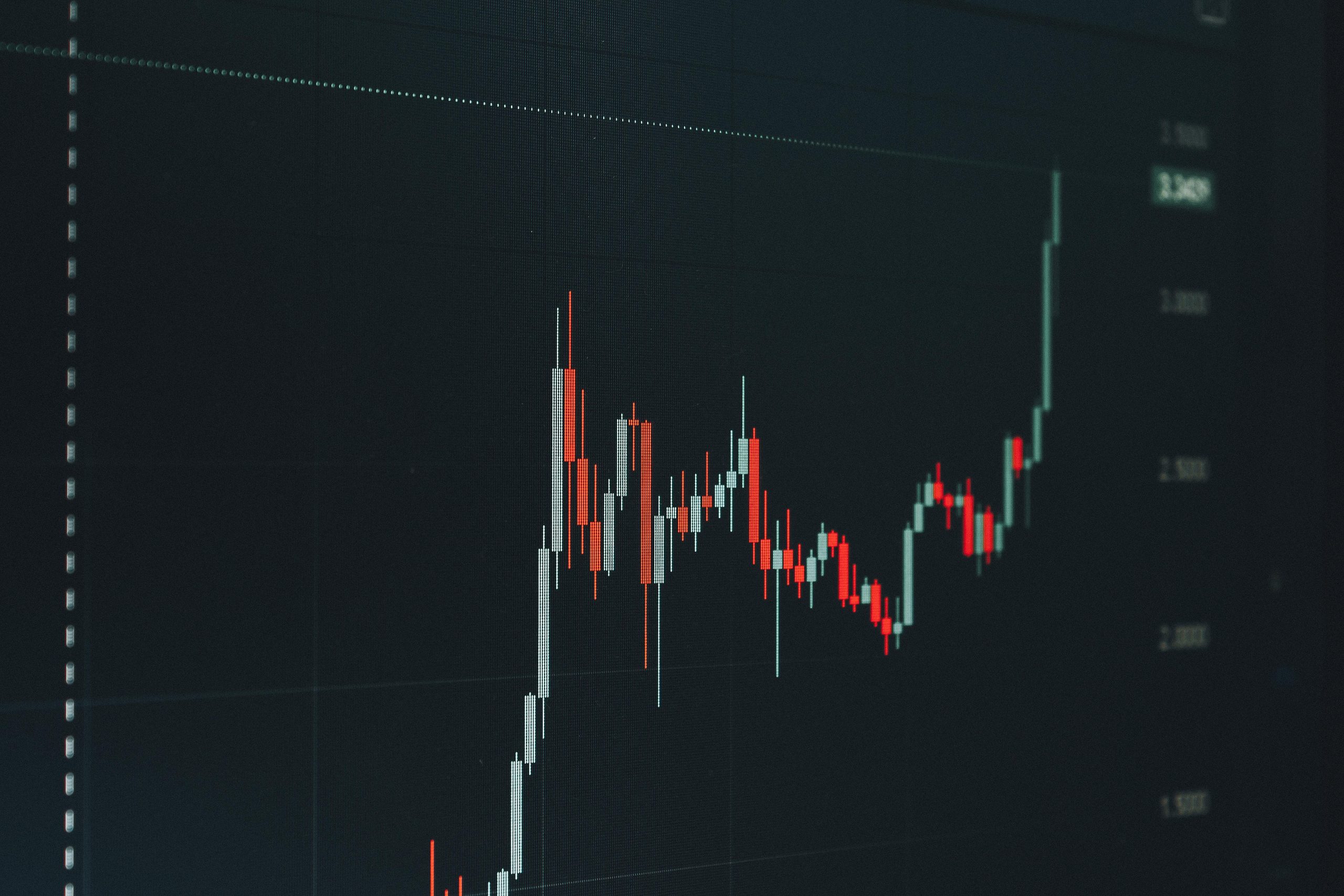
Unlocking the Secrets: The Inner Workings of Cryptocurrency Trading
In the ever-evolving world of digital finance, cryptocurrency trading has emerged as a powerful force. But what exactly goes on behind the scenes? How do investors navigate this volatile market to unlock its potential? Join us as we dive deep into the inner workings of cryptocurrency trading and unveil the secrets that can help you thrive in this digital frontier.
From Bitcoin to Ethereum and beyond, we’ll explore the different types of cryptocurrencies and how they are traded. We’ll reveal the strategies and tools used by successful traders to analyze market trends, make informed decisions, and maximize profits. Whether you’re a seasoned investor or a curious newcomer, this article will shed light on the intricate mechanisms of cryptocurrency trading, providing you with invaluable insights to elevate your trading game.
As the cryptocurrency market continues to captivate the world, don’t miss out on the opportunity to unravel its mysteries and unleash its potential. Get ready to step into the realm of cryptocurrency trading and uncover the secrets that can take your financial journey to new heights.
Understanding the Basics of Blockchain Technology
At the heart of cryptocurrency trading lies blockchain technology, a decentralized digital ledger that records transactions across many computers. This technology ensures that the recorded transactions cannot be altered retroactively, providing transparency and security. Each block in the chain contains a number of transactions, and once a block is filled, it is linked to the previous block, forming a chain. This structure makes blockchain inherently resistant to tampering, which is crucial in a market that is often scrutinized for its susceptibility to fraud.
The decentralized nature of blockchain eliminates the need for a central authority, allowing users to transact directly with one another. This peer-to-peer system reduces transaction costs and increases the speed of transactions. Furthermore, blockchain technology employs cryptographic techniques to secure the data stored within the blocks, ensuring that only authorized parties can access or alter information. This combination of decentralization, transparency, and security is what makes blockchain a revolutionary technology, not just for cryptocurrencies but for numerous applications across different sectors.
Understanding blockchain is essential for anyone looking to engage in cryptocurrency trading. It forms the foundation upon which cryptocurrencies operate. By grasping how blockchain works, traders can better appreciate the value of different cryptocurrencies, the innovations they bring, and the potential risks associated with investing in them. This knowledge can empower traders to make informed decisions, whether they are entering the market for the first time or looking to refine their strategies.
Different Types of Cryptocurrencies
The cryptocurrency landscape is diverse, with thousands of different coins and tokens available for trading. While Bitcoin remains the most recognized and dominant cryptocurrency, there are many other types that cater to various needs and applications. Ethereum, for example, introduced smart contracts, which allow developers to create decentralized applications (dApps) on its blockchain. This innovation has opened the door to a myriad of projects and use cases, contributing to Ethereum’s position as a strong competitor to Bitcoin.
Beyond Bitcoin and Ethereum, there are numerous altcoins, each with unique features and purposes. Some focus on privacy, like Monero and Zcash, which employ advanced cryptographic techniques to keep transactions anonymous. Others, like Ripple and Stellar, aim to facilitate fast and low-cost international money transfers. Tokens, such as those created on Ethereum’s platform, can represent assets, give holders voting rights, or provide access to specific services within a network. Understanding the distinctions between these cryptocurrencies is vital for traders, as each type presents different opportunities and risks.
Moreover, the emergence of stablecoins, which are pegged to traditional currencies like the US dollar, has introduced a new layer of complexity to the trading landscape. Stablecoins, such as Tether (USDT) and USD Coin (USDC), aim to provide the stability of fiat currencies while retaining the advantages of digital assets. These coins are particularly useful for traders looking to hedge against volatility or move funds quickly between exchanges. Familiarizing oneself with the various types of cryptocurrencies available in the market is crucial for developing an effective trading strategy.
The Importance of Market Analysis in Cryptocurrency Trading
Market analysis is a critical component of successful cryptocurrency trading. Given the high volatility and rapid price fluctuations in this market, traders must rely on various analytical tools and techniques to make informed decisions. Market analysis can be broadly categorized into two types: fundamental analysis and technical analysis. Fundamental analysis involves evaluating the intrinsic value of a cryptocurrency by examining factors such as its technology, development team, use cases, market demand, and overall market conditions. This method helps traders assess whether a cryptocurrency is undervalued or overvalued, guiding their investment choices.
On the other hand, technical analysis focuses on historical price data, trading volume, and patterns to predict future price movements. Traders use various charting tools and indicators, such as moving averages, Relative Strength Index (RSI), and Fibonacci retracement levels, to identify trends and potential entry and exit points. Technical analysis is particularly popular in the cryptocurrency market due to the abundance of historical data and the tendency for price movements to follow certain patterns. By combining both fundamental and technical analysis, traders can develop a comprehensive understanding of market dynamics and enhance their trading strategies.
Additionally, staying informed about news and developments in the cryptocurrency space is essential for effective market analysis. Regulatory changes, technological advancements, and market sentiment can significantly impact cryptocurrency prices. By keeping abreast of the latest trends and news, traders can better anticipate market movements and adjust their strategies accordingly. In a market as fast-paced as cryptocurrency, being proactive and well-informed can make the difference between a successful trade and a costly mistake.
Common Cryptocurrency Trading Strategies
Successful cryptocurrency trading often relies on a solid strategy tailored to the trader’s goals, risk tolerance, and market understanding. One popular strategy is day trading, where traders make multiple trades within a single day to capitalize on short-term price movements. Day traders typically use technical analysis and real-time data to make quick decisions, often holding positions for only a few minutes or hours. This strategy can be highly rewarding, but it also carries significant risk, as the market can be unpredictable.
Another common strategy is swing trading, which involves holding positions for several days or weeks to profit from price swings. Swing traders analyze market trends and utilize both technical and fundamental analysis to identify potential entry and exit points. This approach allows traders to take advantage of medium-term price movements while avoiding the stress of constant monitoring required in day trading. Swing trading can be an attractive option for those who prefer a more relaxed trading style while still seeking to capitalize on market volatility.
For those looking for a long-term approach, buy-and-hold strategies, also known as HODLing, can be effective. This strategy involves purchasing cryptocurrencies and holding them for an extended period, regardless of short-term price fluctuations. Investors following this strategy often believe in the long-term potential of the assets they acquire and are willing to endure the market’s ups and downs. While buy-and-hold investors may miss out on short-term gains, they can benefit from significant appreciation over time, especially in a rapidly growing market like cryptocurrency.
Risk Management in Cryptocurrency Trading
Risk management is a fundamental aspect of cryptocurrency trading that every investor must prioritize. The volatile nature of the crypto market can lead to substantial gains, but it can also result in significant losses. One of the most effective risk management strategies is to set stop-loss orders, which automatically close a position at a predetermined price. This tool helps traders limit potential losses and protect their capital, ensuring that they do not lose more than they are willing to risk on any single trade.
Another essential component of risk management is proper position sizing. Traders should determine the appropriate amount to invest in each trade based on their overall capital and risk tolerance. A common rule of thumb is to risk only a small percentage of one’s trading capital on any single trade, typically around 1-2%. By adhering to this principle, traders can survive losing streaks and maintain their ability to trade over the long term. Diversifying investments across various cryptocurrencies can also help mitigate risk, as it reduces the impact of a poor-performing asset on the overall portfolio.
Additionally, emotional discipline plays a critical role in successful risk management. The cryptocurrency market can evoke strong emotions, such as fear and greed, which can cloud judgment and lead to impulsive decisions. Traders must develop a disciplined approach to their trading strategies, sticking to their plans even during periods of high volatility. Keeping a trading journal can be a valuable tool for reflecting on past trades, identifying mistakes, and refining strategies, ultimately contributing to better risk management and improved trading performance.
Choosing a Reliable Cryptocurrency Exchange
Selecting the right cryptocurrency exchange is a crucial step for anyone venturing into cryptocurrency trading. With numerous exchanges available, traders must consider several factors to ensure they choose a platform that meets their needs. Security is paramount; therefore, it is essential to choose an exchange that employs robust security measures, such as two-factor authentication (2FA), cold storage for funds, and regular security audits. Reading user reviews and researching the exchange’s history can provide insight into its reliability and security track record.
Another important factor to consider is the range of cryptocurrencies offered by the exchange. Some platforms focus on a limited selection of major coins, while others provide access to a broader array of altcoins and tokens. Depending on individual trading goals, a trader may prefer an exchange that offers a wide variety of assets for diversification. Additionally, the fees associated with trading, deposits, and withdrawals can vary significantly between exchanges. Traders should carefully review the fee structures to ensure they align with their trading strategies and frequency.
Finally, user experience and customer support are essential considerations when choosing an exchange. A user-friendly interface can enhance the trading experience, especially for newcomers who may find the process overwhelming. Furthermore, responsive customer support is invaluable in addressing any issues or concerns that may arise while trading. By carefully evaluating these factors, traders can select a reliable cryptocurrency exchange that provides a secure and efficient trading environment.
Tools and Resources for Successful Cryptocurrency Trading
To navigate the complexities of cryptocurrency trading, traders can leverage a variety of tools and resources that enhance their trading experience and decision-making process. Charting software, such as TradingView and Coinigy, allows traders to analyze price movements, create charts, and apply technical indicators in real-time. These tools enable traders to visualize market trends and make informed decisions based on historical price data and patterns.
In addition to charting tools, cryptocurrency portfolios and tracking apps, such as Blockfolio and Delta, can help traders monitor their investments effectively. These applications provide real-time price updates, portfolio performance tracking, and alerts for significant market movements. By staying informed about their holdings and market changes, traders can react promptly to new developments and adjust their strategies as needed.
Furthermore, educational resources, such as webinars, online courses, and cryptocurrency news websites, can provide valuable insights into the market and trading strategies. Engaging with online communities, such as Reddit or dedicated forums, allows traders to share experiences, ask questions, and learn from one another. By utilizing these tools and resources, traders can enhance their knowledge, refine their strategies, and ultimately increase their chances of success in the cryptocurrency market.
Keeping Up with the Latest Trends in the Cryptocurrency Market
The cryptocurrency market is dynamic and rapidly evolving, making it essential for traders to stay updated on the latest trends and developments. Regularly following cryptocurrency news outlets, blogs, and social media channels can provide traders with insights into market sentiment, regulatory changes, and technological advancements. Platforms like Twitter, Medium, and CoinDesk are valuable sources for real-time updates and expert opinions on the cryptocurrency landscape.
Participating in online forums and communities can also help traders stay informed. Engaging with fellow traders and enthusiasts can lead to discussions about emerging trends, new projects, and investment opportunities. Additionally, attending cryptocurrency conferences and networking events can provide firsthand insights from industry experts and thought leaders. Building a network of contacts within the cryptocurrency space can be beneficial for sharing knowledge and discovering new opportunities.
Moreover, utilizing analytical tools that track market trends and sentiment can enhance a trader’s ability to make informed decisions. Websites that aggregate data on trading volumes, market capitalization, and price movements can provide valuable insights into the overall health of the cryptocurrency market. By continually educating themselves and staying informed, traders can adapt their strategies to capitalize on emerging trends and maximize their potential for success.
Conclusion and Final Thoughts
In conclusion, the world of cryptocurrency trading is both exciting and complex, requiring a solid understanding of the underlying technology, market dynamics, and effective trading strategies. By grasping the basics of blockchain technology and familiarizing themselves with different types of cryptocurrencies, traders can make informed decisions in this fast-paced market. The importance of market analysis, risk management, and choosing the right exchange cannot be overstated, as these elements are crucial for achieving success.
Moreover, leveraging tools and resources, along with staying updated on the latest trends, can significantly enhance a trader’s ability to navigate the cryptocurrency landscape. As the market continues to evolve, embracing a proactive approach to learning and adapting will empower traders to seize opportunities and mitigate risks. Whether you are a seasoned investor or a newcomer to the world of cryptocurrency, understanding these fundamental concepts and strategies will position you for success in this digital frontier.
As you embark on your cryptocurrency trading journey, remember that knowledge is power. Equip yourself with the insights and tools necessary to thrive in this dynamic environment, and you will unlock the potential that cryptocurrency trading offers. Embrace the challenges and rewards that come with this exciting venture, and enjoy the journey as you explore the boundless possibilities of the digital finance revolution. Contact our Cryptocurrency Trading Fund today for professional help.


