
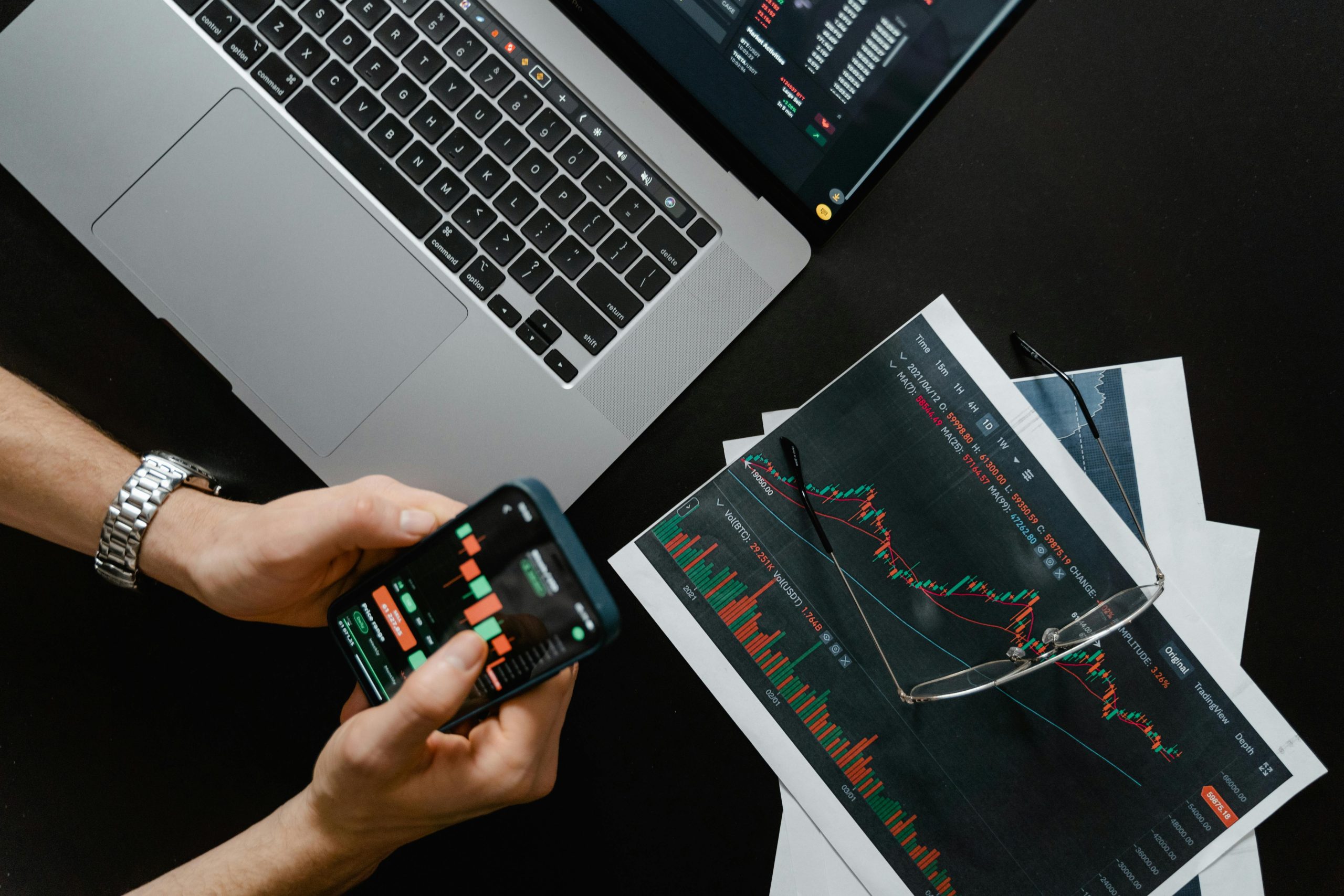
Unveiling the Truth: Exploring the Legitimacy of Cryptocurrency Trading
Are cryptocurrency trading platforms a legitimate investment option or just another form of risky gambling? This article delves deep into the world of cryptocurrency trading, aiming to unveil the truth and provide readers with a comprehensive understanding of its legitimacy.
With the rise in popularity of digital currencies like Bitcoin and Ethereum, many individuals are drawn to the potential profits promised by cryptocurrency trading. However, skeptics often question the reliability, security, and ethical considerations of this decentralized form of currency.
In this informative exploration, we will examine the key aspects of cryptocurrency trading, including its history, regulations, and the technology behind it. We will also consider expert opinions and research to evaluate the risks and benefits associated with this alternative investment avenue.
Whether you are an experienced investor or a novice considering entering the world of cryptocurrency trading, this article aims to provide you with the knowledge and insights needed to make an informed decision. Join us on this enlightening journey as we unravel the truth about the legitimacy of cryptocurrency trading.
Understanding the concept of legitimacy in cryptocurrency trading
The legitimacy of cryptocurrency trading hinges on several factors that include regulatory compliance, security measures, and the ethical operations of trading platforms. At its core, legitimacy refers to the acceptance of a trading platform as trustworthy and reliable by both regulatory authorities and users alike. This trust is paramount because it directly influences the willingness of individuals to invest their hard-earned money in the volatile cryptocurrency market. A legitimate trading platform ensures that it adheres to applicable laws and provides a safe environment for its users.
Legitimate cryptocurrency trading is often characterized by transparency in transactions and clarity in the terms of service. When platforms are upfront about their fees, trading practices, and the risks involved in cryptocurrency trading, they foster a sense of trust with their users. Moreover, platforms that provide educational resources and customer support contribute to their legitimacy by empowering traders to make informed decisions. This transparency is particularly important in an industry that is often marred by volatility and speculation, as it helps to demystify the processes involved.
Additionally, the technological backbone of cryptocurrency trading platforms plays a critical role in determining legitimacy. Platforms that utilize robust cybersecurity measures, such as encryption and two-factor authentication, are more likely to be viewed as legitimate. This is because these measures help protect users’ funds and personal information from malicious attacks. Ultimately, the combination of regulatory compliance, transparency, and strong security protocols can help establish a cryptocurrency trading platform’s legitimacy in a crowded and often confusing market.
Common misconceptions about cryptocurrency trading
Despite the growing acceptance of cryptocurrencies, several misconceptions continue to cloud the understanding of cryptocurrency trading. One prevalent myth is that cryptocurrency trading is akin to gambling. While both activities involve risk and uncertainty, trading cryptocurrencies can be approached with analytical strategies and informed decision-making. Unlike gambling, which is primarily based on chance, cryptocurrency trading allows investors to analyze market trends, assess project fundamentals, and leverage financial tools to enhance their investment strategies.
Another common misconception is that cryptocurrencies are entirely anonymous and untraceable. While it is true that transactions on blockchain networks can offer a certain level of privacy, they are not completely anonymous. Each transaction is recorded on a public ledger, which means that while personal identities may not be directly linked to wallet addresses, patterns of behavior and transactions can often be traced back to individuals. This has implications for privacy, security, and regulatory compliance, and it emphasizes the importance of understanding how blockchain technology operates in the context of legitimacy.
Finally, many believe that cryptocurrency trading is only for tech-savvy individuals or seasoned investors. This misconception can deter newcomers from exploring the potential of digital currencies. In reality, a growing number of platforms are designed with user-friendly interfaces and educational resources that cater to beginners. With the right guidance and research, anyone can engage in cryptocurrency trading, regardless of their technical background. This democratization of access to trading opportunities highlights the importance of dispelling myths surrounding the legitimacy and accessibility of cryptocurrency trading.
The regulatory landscape for cryptocurrency trading
The regulatory landscape for cryptocurrency trading is complex and varies significantly from country to country. In some regions, cryptocurrencies are fully embraced, while in others, they face stringent restrictions or outright bans. This disparity creates a challenge for investors looking to navigate the legitimacy of trading platforms. Regulatory bodies are increasingly recognizing the need for consumer protection, market integrity, and the prevention of illicit activities in the cryptocurrency space. As a result, many jurisdictions are developing frameworks to regulate cryptocurrency exchanges and trading activities.
In the United States, for instance, cryptocurrency exchanges are subject to regulations enforced by agencies like the Securities and Exchange Commission (SEC) and the Commodity Futures Trading Commission (CFTC). These regulations are aimed at ensuring that trading platforms comply with anti-money laundering (AML) and know your customer (KYC) requirements. Investors should be aware of whether a platform is registered with these regulatory bodies as it can serve as an indicator of legitimacy. Compliance with local laws not only helps protect consumers but also enhances the overall credibility of the cryptocurrency market.
Internationally, regulatory approaches can differ widely. Some countries, like Japan and Switzerland, have developed comprehensive regulatory frameworks that promote innovation while ensuring investor protection. In contrast, other nations have taken a more cautious stance, imposing strict regulations or banning cryptocurrencies altogether. Understanding the regulatory environment in your region is crucial for evaluating the legitimacy of cryptocurrency trading platforms. It also underscores the importance of staying updated on regulatory changes, as these can have significant implications for the future of cryptocurrency trading.
Key indicators of legitimate cryptocurrency trading platforms
Identifying legitimate cryptocurrency trading platforms requires careful consideration of several key indicators. One of the most important indicators is regulatory compliance. Legitimate platforms typically register with regulatory authorities and adhere to established laws and guidelines. This registration serves as a form of assurance to users that the platform operates within a legal framework, thereby enhancing its credibility. It is essential to research whether a platform is compliant with regulations in your country, as this can protect you from potential scams.
Another significant indicator of a legitimate trading platform is the presence of robust security measures. Look for platforms that implement industry-standard security protocols, such as encryption, two-factor authentication, and cold storage for digital assets. These measures help safeguard user funds and personal information from cyber threats and hacking attempts. A platform that prioritizes security is more likely to be legitimate, as it demonstrates a commitment to protecting its users’ investments and fostering trust.
User reviews and community feedback also play a critical role in determining the legitimacy of a cryptocurrency trading platform. Engaging with online forums, social media groups, and review websites can provide valuable insights into the experiences of other traders. Positive reviews, as well as constructive criticism, can shed light on the platform’s performance, reliability, and customer service. A platform with a strong reputation and a history of positive user experiences is likely to be more legitimate than one that is frequently criticized or associated with negative reviews.
How to verify the legitimacy of a cryptocurrency trading platform
Verifying the legitimacy of a cryptocurrency trading platform involves a multi-faceted approach. First and foremost, it is essential to conduct thorough research on the platform’s regulatory status. Check if the platform is registered with relevant regulatory authorities in your jurisdiction. Platforms that are transparent about their regulatory compliance often provide information about their licenses and registrations on their websites. This information can serve as a baseline for assessing the platform’s legitimacy.
In addition to regulatory compliance, users should evaluate the platform’s security features. Look for information regarding the platform’s security infrastructure, including encryption methods, two-factor authentication, and insurance policies for user funds. A reputable platform will typically publish its security measures and protocols to reassure users about the safety of their assets. Furthermore, reading the platform’s terms of service can provide insight into its operational policies and practices, helping users understand their rights and protections.
Lastly, engaging with the cryptocurrency community can serve as a valuable resource for verifying platform legitimacy. Online forums, social media groups, and cryptocurrency-related websites often discuss various platforms and share personal experiences. By participating in these discussions, users can gather insights and opinions from other traders regarding the platform’s reliability, customer service, and overall reputation. This peer feedback is crucial in creating a well-rounded understanding of the platform’s legitimacy and can guide potential investors in making informed decisions.
Risks and precautions in cryptocurrency trading
Cryptocurrency trading, while potentially lucrative, is not without its risks. One of the most significant risks is market volatility. The prices of cryptocurrencies can fluctuate dramatically within short periods, leading to substantial gains or losses for traders. This volatility can be especially daunting for inexperienced investors who may not fully understand the market dynamics. To mitigate this risk, it is advisable to only invest what you can afford to lose and to employ sound risk management strategies.
Another risk associated with cryptocurrency trading is the potential for scams and fraudulent platforms. The lack of regulation in some areas can create opportunities for bad actors to exploit unsuspecting investors. Ponzi schemes, phishing attacks, and fake exchanges are just a few examples of the threats that exist in the cryptocurrency space. To protect oneself, it is crucial to conduct thorough research on any platform before investing and to remain vigilant against red flags, such as unrealistic promises of returns or lack of transparency.
Additionally, the security of digital assets poses another risk. Cryptocurrency wallets and exchanges can be targets for hackers and cybercriminals. Users must take precautions to secure their assets by using reputable wallets, enabling two-factor authentication, and being cautious with their private keys. Diversifying holdings across multiple platforms and employing cold storage solutions can also enhance security. By being aware of these risks and implementing necessary precautions, traders can navigate the cryptocurrency market more confidently.
Tips for successful and secure cryptocurrency trading
To achieve success in cryptocurrency trading, it is essential to adopt a strategic approach. First, traders should focus on education and research. Understanding the underlying technology, market trends, and specific cryptocurrencies is crucial for making informed trading decisions. Resources such as online courses, webinars, and reputable financial news websites can provide valuable insights and enhance a trader’s knowledge base. Staying updated on market developments can also help traders anticipate price movements and capitalize on profitable opportunities.
Secondly, developing a trading strategy is vital for long-term success. Whether employing day trading, swing trading, or long-term investing, having a defined plan helps traders maintain discipline and avoid emotional decision-making. A well-thought-out strategy should include entry and exit points, risk management techniques, and a clear understanding of market conditions. By adhering to a trading strategy, traders can minimize impulsive actions that may lead to losses.
Finally, practicing patience and emotional control is essential in the cryptocurrency market. The fast-paced nature of trading can provoke emotional reactions, leading to hasty decisions. Successful traders maintain a level-headed approach, sticking to their strategies even during periods of high volatility. By cultivating emotional resilience and practicing patience, traders can navigate challenges effectively and increase their chances of achieving sustainable success in cryptocurrency trading.
Case studies of legitimate cryptocurrency trading success stories
Examining case studies of legitimate cryptocurrency trading success stories can provide valuable lessons for aspiring traders. One notable example is the rise of Bitcoin, which started as an obscure digital currency and has become a global phenomenon. Early adopters who recognized the potential of Bitcoin and invested in it during its infancy reaped significant rewards as its value skyrocketed over the years. This success story highlights the importance of recognizing emerging trends and being willing to take calculated risks.
Another inspiring case is that of Ethereum, whose innovative smart contract functionality opened new avenues for decentralized applications. Investors who recognized the potential of Ethereum’s technology and invested in its ICO (Initial Coin Offering) witnessed remarkable growth in their investments. This case exemplifies the importance of understanding not only the cryptocurrency itself but also the technology and use cases that drive its value.
Furthermore, the story of Binance, one of the largest cryptocurrency exchanges in the world, illustrates the significance of building a legitimate trading platform. Founded in 2017, Binance quickly gained traction due to its user-friendly interface, wide range of cryptocurrencies, and commitment to security. By adhering to best practices and maintaining transparency, Binance established itself as a legitimate player in the cryptocurrency trading arena, attracting millions of users worldwide. These case studies serve as reminders of the potential rewards associated with informed and strategic cryptocurrency trading while underscoring the importance of legitimacy in the industry.
Conclusion: Making informed decisions in cryptocurrency trading
In conclusion, the legitimacy of cryptocurrency trading platforms can be assessed through careful evaluation of regulatory compliance, security measures, and community feedback. While misconceptions about the nature of cryptocurrency trading persist, it is essential to approach this market with a clear understanding of its complexities. The regulatory landscape is evolving, and staying informed about local laws and best practices can enhance one’s trading experience.
Investors must also acknowledge the risks involved and adopt precautions to safeguard their assets. By educating themselves, developing sound trading strategies, and learning from success stories, traders can navigate the cryptocurrency market more effectively. Ultimately, making informed decisions is the key to thriving in this dynamic and rapidly changing environment. As the cryptocurrency landscape continues to evolve, staying vigilant and adaptable will empower traders to seize opportunities while minimizing potential pitfalls. Through a commitment to knowledge and due diligence, individuals can confidently engage in cryptocurrency trading, unlocking its potential as a legitimate investment avenue. If you would like professional trading help our crypto trading fund is the best around.


