
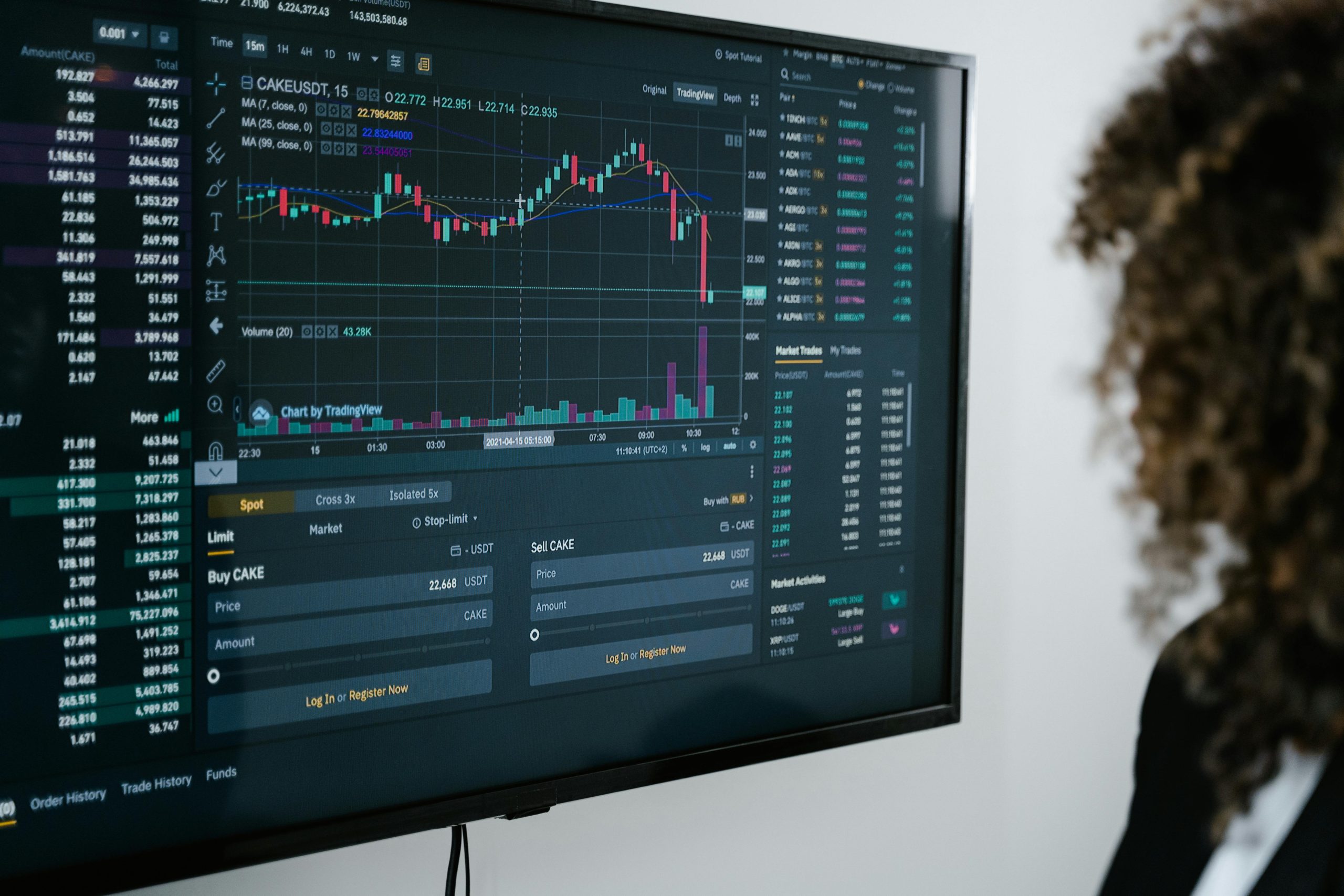
Unlocking the Potential: Discover the Best Strategies for Margin Trading in Crypto
Unlocking the potential of margin trading in the crypto market can truly be a game-changer for investors. With the right strategies in place, traders can amplify their profits and take advantage of market fluctuations like never before. In this article, we will delve into the best strategies for margin trading in crypto and explore how savvy traders can maximize their gains while minimizing risks.
Whether you are an experienced trader or new to the world of cryptocurrency, understanding how margin trading works is essential. We will discuss the concept of margin trading and its benefits, as well as provide insights into various proven strategies that can help you stay ahead in this fast-paced market. From leveraging technical analysis to managing risk effectively, we will cover it all.
Additionally, we will shed light on the importance of choosing the right trading platform and provide recommendations for the best platforms that offer margin trading. So, if you are eager to unlock the potential of margin trading in the crypto market and boost your investment returns, keep reading to discover the strategies that can take your trading game to the next level.
Understanding the concept of leverage in margin trading
Margin trading is a powerful tool in the cryptocurrency market that allows traders to borrow funds to amplify their trading positions. The core concept of margin trading revolves around leverage, which refers to the use of borrowed capital to increase the potential return of an investment. In simple terms, leverage enables traders to control a larger position in the market than their actual capital would allow. For example, with 2x leverage, a trader can control $20,000 worth of assets with just $10,000 of their own money, effectively doubling their exposure to price movements.
The leverage in margin trading can vary greatly, with some platforms offering leverage as high as 100x. While this can lead to significant profits if the market moves in the trader’s favor, it also increases the risk substantially. A small adverse price movement can lead to a liquidation of the position, causing the trader to lose their initial investment. It’s crucial for traders to understand how leverage works and to use it judiciously, as the potential for both high rewards and significant losses is present.
Understanding the margin requirements is equally important. This refers to the amount of equity a trader must maintain in their account to keep their positions open. Margin requirements can fluctuate based on market volatility and the specific assets being traded. Traders should always ensure they are aware of these requirements and maintain sufficient equity to avoid margin calls, which occur when the equity in a trading account falls below the required threshold.
Benefits and risks of margin trading in crypto
Margin trading offers several benefits that can enhance a trader’s performance and profitability in the crypto market. One of the primary advantages is the ability to amplify returns. By using leverage, traders can potentially earn much higher profits than they would with their own capital alone. This makes margin trading an attractive option for those looking to maximize their investment in a market known for its volatility and rapid price movements.
Another significant benefit is the flexibility that margin trading provides. Traders can take both long and short positions, allowing them to profit from both rising and falling markets. This flexibility is particularly advantageous in the highly unpredictable world of cryptocurrencies, where prices can swing wildly within short periods. Additionally, margin trading can improve liquidity in the market, as it encourages more trading activity and can lead to tighter spreads.
However, the risks associated with margin trading cannot be understated. The potential for increased losses is one of the most significant downsides. A small price movement in the opposite direction can lead to substantial losses, potentially wiping out a trader’s equity. Furthermore, the pressure of managing leveraged positions can lead to emotional trading decisions, which can further exacerbate losses. Therefore, it’s essential for traders to approach margin trading with a clear strategy and an understanding of their risk tolerance.
Margin trading strategies for beginners
For beginners venturing into margin trading, it’s crucial to start with a solid foundation of strategies that can help navigate the complexities of this trading method. One effective strategy for beginners is to utilize lower leverage. While the allure of high leverage can be tempting, starting with lower leverage—such as 2x or 3x—can help mitigate risks while still allowing for potential gains. This approach provides an opportunity to gain experience and understand market dynamics without the added pressure of significant losses.
Another valuable strategy is to focus on trend-following techniques. Beginner traders can benefit from identifying and trading in the direction of the prevailing market trend. Utilizing technical indicators such as moving averages or the Relative Strength Index (RSI) can help determine whether a cryptocurrency is in an uptrend or downtrend. By aligning trades with the trend, beginners can increase their chances of success, as trading against the trend can lead to higher risks and losses.
Additionally, practicing effective position sizing is crucial for beginners. This involves determining the appropriate amount of capital to allocate to each trade based on their overall portfolio size and risk tolerance. A common guideline is to risk no more than 1-2% of the trading account on a single trade. This strategy helps protect the trader’s capital and allows for continued participation in the market even after experiencing losses. As beginners gain more experience and confidence, they can gradually adjust their strategies and explore more advanced trading techniques.
Advanced margin trading strategies for experienced traders
Experienced traders looking to enhance their margin trading strategies can explore more sophisticated techniques to optimize their results. One such strategy is the use of hedging, which involves taking offsetting positions to reduce risk exposure. For instance, if a trader holds a long position on a cryptocurrency, they might simultaneously open a short position on the same asset or a correlated asset to protect against potential losses. This approach can help manage risk during periods of increased volatility, allowing traders to maintain exposure while safeguarding their capital.
Another advanced strategy is the implementation of scaling techniques. This involves entering multiple positions at different price levels rather than committing all capital at once. For example, a trader may choose to enter a long position incrementally as the price dips, allowing them to average down their entry price. This strategy can help improve overall profitability, especially in a volatile market where prices fluctuate significantly. Similarly, scaling out of positions by taking profits at various levels can help lock in gains while still allowing for potential upside.
Additionally, experienced traders can leverage algorithmic trading strategies, utilizing bots to execute trades based on predetermined criteria. Algorithms can analyze vast amounts of data and execute trades much faster than manual trading, capturing opportunities that may arise in milliseconds. By programming specific parameters such as technical indicators, entry and exit points, and risk management rules, traders can automate their trading process and minimize emotional decision-making. However, it’s essential to monitor these algorithms regularly to ensure they operate as intended in changing market conditions.
Technical analysis tools for margin trading
Technical analysis is a vital component of margin trading, as it helps traders make informed decisions based on historical price movements and market trends. One of the most widely used tools in technical analysis is the candlestick chart. These charts provide a visual representation of price movements over specific time frames, allowing traders to identify patterns and trends. Recognizing formations such as bullish engulfing patterns or head and shoulders can give traders insights into potential future price movements, aiding their decision-making process.
Another essential tool for margin traders is the use of indicators. Indicators like the Moving Average Convergence Divergence (MACD), Bollinger Bands, and Fibonacci retracement levels can provide valuable information about market momentum, volatility, and potential support and resistance levels. By integrating these indicators into their trading strategies, traders can enhance their ability to identify entry and exit points, which is crucial when operating under margin constraints.
Volume analysis is also a critical aspect of technical analysis that margin traders should consider. Monitoring trading volume can provide insights into the strength of a price movement. For example, a price increase accompanied by high volume may indicate strong buying interest, while an increase with low volume could suggest a lack of conviction. Understanding volume trends can help traders validate their technical signals and make more informed decisions in their margin trading endeavors.
Risk management techniques for margin trading
Effective risk management is paramount in margin trading, as the potential for amplified losses is significantly greater than in traditional trading. One of the most fundamental techniques is the use of stop-loss orders. These orders allow traders to set a predetermined price at which their position will automatically close to limit losses. By implementing stop-loss orders, traders can protect their capital and minimize emotional reactions to market fluctuations, ensuring that they adhere to their trading plan.
Another crucial risk management technique is diversifying positions. Instead of concentrating a large portion of capital on a single trade or asset, traders should spread their investments across multiple positions. This diversification can help mitigate risk, as poor performance in one asset may be offset by gains in another. Additionally, incorporating different assets with varying levels of volatility can create a more balanced portfolio, reducing the overall risk exposure.
Furthermore, maintaining a disciplined approach to trading is essential for effective risk management. This includes setting clear risk-reward ratios before entering a trade, ensuring that potential profits justify the risks taken. Many traders adhere to a risk-reward ratio of at least 1:2 or 1:3, meaning that for every dollar risked, the potential profit should be two or three times that amount. Sticking to these predefined rules can help traders make more rational decisions and avoid impulsive actions that could lead to significant losses.
Popular margin trading platforms in the crypto market
Selecting the right margin trading platform is crucial for traders looking to maximize their potential in the crypto market. One of the most popular platforms is Binance, known for its extensive range of cryptocurrencies and competitive trading fees. Binance offers margin trading with varying levels of leverage, allowing traders to customize their risk exposure. The platform also provides a user-friendly interface and advanced trading features, making it suitable for both beginners and experienced traders.
Another leading platform is BitMEX, which specializes in derivatives trading and offers a unique trading experience. BitMEX allows users to trade perpetual contracts and futures with high leverage options. However, it’s important to note that BitMEX primarily caters to experienced traders due to its complex interface and advanced trading products. The platform also emphasizes risk management tools, providing traders with various options to manage their positions effectively.
Kraken is another reputable margin trading platform that combines a user-friendly design with robust security features. Known for its transparency and regulatory compliance, Kraken offers a variety of cryptocurrencies for margin trading, along with competitive fees and a range of leverage options. Additionally, Kraken provides educational resources, making it an excellent choice for beginners who want to learn more about margin trading while gaining practical experience.
Margin trading regulations and legal considerations
Margin trading in the crypto space operates within a complex regulatory environment that varies significantly by jurisdiction. In many regions, margin trading is subject to strict regulations designed to protect investors and ensure fair practices in the financial markets. Traders should familiarize themselves with the legal framework governing margin trading in their respective countries to avoid potential issues. This may include understanding licensing requirements for trading platforms and adhering to specific trading and reporting standards.
In the United States, for instance, margin trading regulations are overseen by the Commodity Futures Trading Commission (CFTC) and the Securities and Exchange Commission (SEC). These regulatory bodies impose requirements on margin trading activities to ensure transparency and protect investors from fraud. Traders in the U.S. must be aware of these regulations and choose platforms that comply with local laws to ensure their investments are secure.
Internationally, the landscape is equally diverse. Some countries have embraced cryptocurrency trading, including margin trading, while others have imposed strict bans or limitations. For example, countries like China have prohibited margin trading altogether, citing concerns over financial stability and investor protection. Therefore, traders must conduct thorough research and remain informed about the regulatory environment in their regions to navigate the complexities of margin trading safely.
Conclusion: Tips for successful margin trading in crypto
Successfully navigating the world of margin trading requires a combination of knowledge, discipline, and strategy. One of the fundamental tips for success is to continuously educate oneself about market trends, trading strategies, and risk management techniques. Keeping abreast of the latest news and developments in the cryptocurrency space can provide valuable insights that enhance trading decisions. Furthermore, participating in trading communities and forums can facilitate knowledge exchange and offer support from fellow traders.
Another crucial tip is to maintain emotional control during trading activities. The high volatility of the crypto market can lead to emotional reactions, often resulting in impulsive decisions that may not align with a well-thought-out trading plan. Setting clear goals, adhering to a trading strategy, and avoiding overtrading can help traders maintain discipline and make rational choices. Practicing mindfulness techniques, such as taking breaks and reflecting on trading performance, can also aid in managing emotions effectively.
Finally, developing a robust trading plan that incorporates risk management strategies is essential for long-term success in margin trading. This plan should outline specific entry and exit points, risk-reward ratios, and position sizing rules. By sticking to a trading plan and adjusting it based on performance and market conditions, traders can enhance their chances of success in the dynamic and ever-evolving cryptocurrency landscape. By implementing these tips and strategies, traders can unlock the potential of margin trading and achieve their financial goals in the crypto market.


