
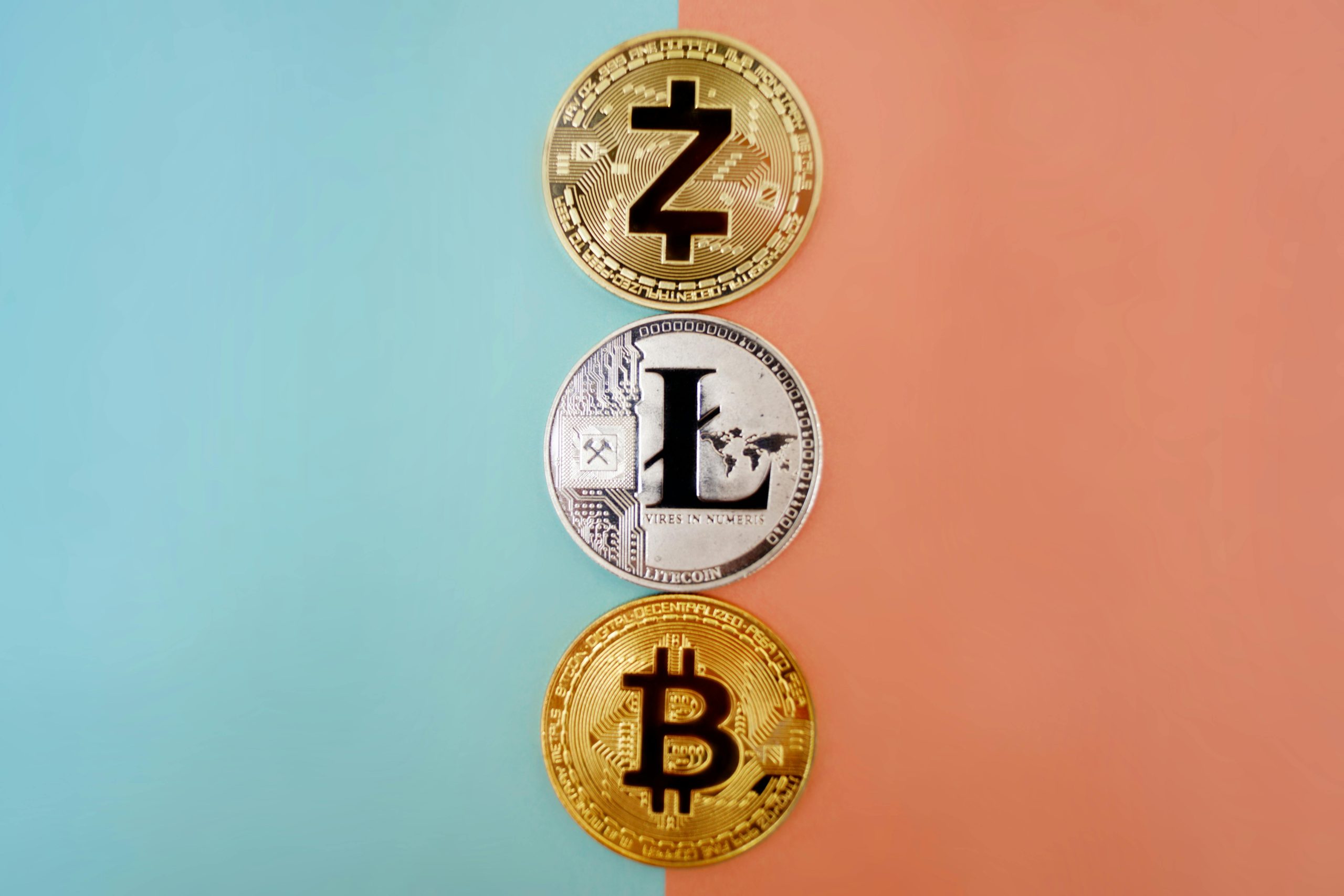
What Are The Best Crypto Investments?
Are you looking to invest in the exciting world of cryptocurrencies but not sure where to start? With the popularity of digital currencies like Bitcoin and Ethereum skyrocketing, it can be overwhelming to determine the best crypto investments. However, fear not! This article will guide you through the top crypto investment opportunities and help you make informed decisions about where to put your money.
In this comprehensive guide, we will explore the various factors to consider when choosing crypto investments, such as market capitalization, technological advancements, and potential for growth. Whether you’re a seasoned investor or a newbie, our expert analysis will provide valuable insights to maximize your returns and minimize your risks.
From established coins to promising up-and-comers, we will delve into the most promising cryptocurrencies, their unique features, and their potential to revolutionize industries. Stay tuned to discover which crypto investments align with your financial goals and risk tolerance. Get ready to navigate the exciting world of cryptocurrencies with confidence and make the best investment choices for your portfolio.
Understanding cryptocurrency markets
Cryptocurrency markets are complex and dynamic ecosystems that operate 24/7, allowing traders and investors from around the globe to buy, sell, and exchange digital currencies. Unlike traditional stock markets, where trading is limited to specific hours and is heavily regulated, crypto markets are decentralized and largely unregulated. This unique structure offers both opportunities and challenges for investors. The volatility of cryptocurrencies can lead to significant price swings, creating potential for high returns but also the risk of substantial losses. Understanding these market dynamics is essential for anyone looking to invest in cryptocurrencies.
One of the key features of cryptocurrency markets is their reliance on blockchain technology, which serves as the backbone for most digital currencies. Blockchain is a distributed ledger that ensures transparency and security, allowing transactions to be recorded in an immutable format. This technology underpins not only Bitcoin and Ethereum, the two most well-known cryptocurrencies, but also thousands of others. The growing number of blockchain projects has led to increased interest in various digital assets, making it crucial for investors to stay informed about market trends and technological advancements that can impact their investments.
Moreover, the cryptocurrency market is influenced by various external factors including regulatory changes, technological innovations, and macroeconomic trends. For instance, news about government regulations or institutional adoption can cause significant fluctuations in prices. Investors must consider these elements when analyzing potential investments, as they can directly affect the market sentiment and, consequently, the value of their holdings. Understanding the interplay of these factors will empower investors to make more informed decisions and navigate the often-turbulent waters of cryptocurrency trading.
Factors to consider when choosing crypto investments
When selecting cryptocurrencies for investment, several critical factors come into play. One of the foremost considerations is the market capitalization of a coin. Market cap is calculated by multiplying the total supply of coins by the current market price. A higher market cap often indicates a more stable and established asset, while lower market cap coins can be more volatile but may offer the potential for higher returns. It’s important to strike a balance between investing in well-established cryptocurrencies and exploring smaller projects that have strong growth potential.
Another crucial factor is the technology behind the cryptocurrency. Each digital asset operates on its own protocol, which determines its functionality and use case. For example, Ethereum’s smart contract capabilities have enabled a wide range of decentralized applications (dApps) to flourish, while other coins might focus on privacy, scalability, or digital payments. Understanding the underlying technology and its real-world applications can provide insight into the long-term viability of a cryptocurrency. Investors should research the development team, the project’s roadmap, and any partnerships that may enhance its prospects.
Additionally, market trends and community support play a significant role in a cryptocurrency’s success. A strong, active community can drive innovation and adoption, while market sentiment can influence price movements. Investors should monitor social media channels, forums, and news outlets to gauge public interest and sentiment towards particular coins. Engaging with the community and keeping an eye on discussions can help investors identify emerging trends and potential red flags before making investment decisions. By considering these factors, investors can better position themselves in the competitive landscape of cryptocurrency investing.
Top cryptocurrencies to invest in
Bitcoin (BTC) remains the most recognized and established cryptocurrency, often referred to as digital gold. Its limited supply of 21 million coins and widespread acceptance have made Bitcoin a popular choice among investors seeking a store of value. Despite its volatility, Bitcoin has seen immense growth since its inception in 2009, and many institutional investors are now adding it to their portfolios as a hedge against inflation. For those looking to invest in a cryptocurrency with a proven track record, Bitcoin is often regarded as the cornerstone of any crypto portfolio.
Ethereum (ETH) is another leading cryptocurrency that has gained immense popularity due to its smart contract functionality. It serves as a foundation for countless decentralized applications and has facilitated the rise of decentralized finance (DeFi) and non-fungible tokens (NFTs). The upcoming Ethereum upgrades, including Ethereum 2.0, aim to improve scalability and energy efficiency, making it an attractive investment for those looking to participate in the future of blockchain technology. As the second-largest cryptocurrency by market cap, Ethereum’s potential for growth and innovation makes it a compelling option for investors.
In addition to Bitcoin and Ethereum, several altcoins have garnered attention for their unique features and use cases. Cardano (ADA) is known for its focus on sustainability and scalability, utilizing a proof-of-stake consensus mechanism. Solana (SOL) has gained traction for its high transaction speeds and low fees, making it a popular choice for developers building dApps. Other notable mentions include Binance Coin (BNB), which powers the Binance exchange, and Polkadot (DOT), which aims to facilitate interoperability between different blockchains. Each of these cryptocurrencies presents unique investment opportunities and potential for growth, making them worthy of consideration for anyone looking to diversify their crypto portfolio.
Emerging cryptocurrencies with potential
As the cryptocurrency landscape continues to evolve, several emerging coins show significant potential for growth. One such coin is Avalanche (AVAX), which aims to provide a highly scalable platform for decentralized applications and custom blockchain networks. Its unique consensus mechanism allows for sub-second transaction finality and the ability to process thousands of transactions per second, making it an attractive option for developers. With its increasing adoption and growing ecosystem, Avalanche is a contender worth watching for investors seeking the next big opportunity in the crypto space.
Another promising cryptocurrency is Chainlink (LINK), which serves as a decentralized oracle network. Chainlink’s technology enables smart contracts to securely interact with real-world data, APIs, and payment systems, thereby expanding the utility of blockchain applications. As the demand for reliable data feeds in decentralized finance and other sectors grows, Chainlink’s role in bridging the gap between on-chain and off-chain data could position it for substantial growth. Investors interested in the intersection of blockchain and real-world applications may find Chainlink to be a compelling investment.
Polygon (MATIC) is also gaining traction as a solution for scaling Ethereum and improving transaction speeds. By providing Layer 2 scaling solutions, Polygon has made it easier for developers to build and deploy dApps while reducing costs and congestion on the Ethereum network. With the increasing popularity of DeFi and NFTs, Polygon’s ability to enhance user experience and lower barriers to entry can drive significant adoption. As more projects leverage Polygon’s technology, its potential for appreciation makes it an intriguing option for savvy investors looking to capitalize on emerging trends in the crypto market.
Investing strategies for crypto assets
When it comes to investing in cryptocurrencies, having a well-defined strategy is crucial for navigating the volatile market. One of the most common strategies is dollar-cost averaging (DCA), where investors purchase a fixed dollar amount of a cryptocurrency at regular intervals, regardless of its price. This approach reduces the impact of market fluctuations and allows investors to accumulate assets over time without trying to time the market. DCA can be particularly beneficial for new investors who may feel overwhelmed by the rapid price changes that characterize the crypto space.
Another effective strategy is to adopt a long-term investment perspective, often referred to as “HODLing.” This term originated from a misspelled online post and has since evolved into a popular mantra among cryptocurrency enthusiasts. The idea is to buy and hold onto cryptocurrencies for an extended period, regardless of short-term price movements. This strategy is based on the belief that, over time, the overall trend for well-established cryptocurrencies will be upward. Investors who choose this path should conduct thorough research and select coins with strong fundamentals and long-term potential.
Additionally, diversifying a cryptocurrency portfolio can help mitigate risks associated with market volatility. By spreading investments across various coins and sectors, investors can reduce the impact of poor performance from any single asset. A well-diversified portfolio may include a mix of established cryptocurrencies, emerging altcoins, and even stablecoins for liquidity. This approach allows investors to participate in different segments of the market while balancing risk and reward. As the crypto landscape continues to evolve, staying adaptable and informed will be key to successful investing.
Risks and challenges in crypto investments
Investing in cryptocurrencies comes with its fair share of risks and challenges that potential investors should be aware of. One major risk is market volatility, which can lead to sudden and drastic price changes. Cryptocurrencies can experience sharp declines in value within short periods, often influenced by factors such as regulatory developments, technological issues, or market sentiment. Investors need to be prepared for this volatility and have a clear understanding of their risk tolerance before committing significant funds to crypto assets.
Security is another critical concern in the cryptocurrency space. The decentralized nature of digital currencies means that transactions are irreversible, and if assets are lost or stolen, they cannot be recovered. Investors must take precautions to secure their holdings, including using reputable wallets, enabling two-factor authentication, and being cautious of phishing scams. Additionally, the rise of decentralized finance (DeFi) protocols has introduced new vulnerabilities, as smart contracts can be exploited if not audited properly. Awareness of these security risks is essential for protecting investments.
Lastly, regulatory uncertainty poses a significant challenge for cryptocurrency investors. As governments around the world grapple with how to regulate digital assets, changes in legislation could impact the market dramatically. For instance, stricter regulations may affect the operations of exchanges, while tax implications may alter how investors approach cryptocurrency trading. Keeping abreast of regulatory developments and understanding their potential impact on the market is crucial for anyone looking to invest in cryptocurrencies. By acknowledging these risks and challenges, investors can make more informed decisions and develop strategies to navigate the complexities of the crypto landscape.
Best platforms for buying and trading cryptocurrencies
Selecting the right platform for buying and trading cryptocurrencies is essential for a smooth investing experience. One of the most popular platforms is Coinbase, known for its user-friendly interface and ease of use for beginners. Coinbase offers a wide range of cryptocurrencies for trading and provides educational resources to help users understand the market better. Additionally, its security measures, including insurance for digital assets held on the platform, make it a reliable choice for new investors looking to enter the crypto space.
Another prominent exchange is Binance, which is recognized for its extensive selection of cryptocurrencies and trading pairs. Binance also offers advanced trading features suitable for more experienced users, including options for futures trading and margin trading. With competitive fees and a robust ecosystem that includes staking and lending services, Binance appeals to a broad spectrum of investors. However, users should be aware of the regulatory scrutiny the platform has faced in various jurisdictions and ensure they comply with local laws when using the service.
For those who prioritize privacy and decentralization, platforms like Kraken and Gemini offer reputable alternatives. Kraken is known for its strong security features and a wide range of fiat-to-crypto options, making it suitable for both beginners and experienced traders. Gemini, founded by the Winklevoss twins, emphasizes regulatory compliance and security. It also provides a user-friendly interface and a secure digital wallet for storing cryptocurrencies. Choosing the right platform ultimately depends on individual preferences, trading needs, and risk tolerance, so investors should conduct thorough research before committing to any exchange.
Crypto investment tools and resources
To enhance their cryptocurrency investment experience, investors can leverage various tools and resources designed to provide insights and analysis. One such resource is CoinMarketCap, which offers comprehensive data on cryptocurrency prices, market capitalization, trading volumes, and historical performance. This platform allows users to track the performance of individual cryptocurrencies, compare different assets, and stay updated on market trends. By utilizing CoinMarketCap, investors can make informed decisions based on real-time data.
Another valuable tool is TradingView, a platform that provides advanced charting capabilities and technical analysis tools. Investors can use TradingView to analyze price trends, identify patterns, and share insights with a community of traders. The platform supports various cryptocurrencies and offers customizable charts, indicators, and alerts to help investors track their investments effectively. By integrating technical analysis into their investment strategy, users can enhance their decision-making process and potentially increase their returns.
Additionally, forums and social media platforms such as Reddit and Twitter can serve as valuable resources for staying informed about the cryptocurrency market. Engaging with communities of like-minded investors can provide insights into emerging trends, project updates, and market sentiment. However, it’s essential to approach information from these sources with caution, as not all advice may be reliable. By combining data from reputable tools and engaging with community discussions, investors can develop a well-rounded understanding of the crypto landscape and make more informed investment choices.
Conclusion: Making informed decisions in crypto investments
Investing in cryptocurrencies presents a unique opportunity to participate in a rapidly evolving financial landscape. However, it requires careful consideration, research, and a strategic approach. By understanding the factors that influence the cryptocurrency market, recognizing the potential of established and emerging coins, and adopting sound investment strategies, investors can position themselves for success. The key to navigating the complexities of crypto investments lies in making informed decisions based on thorough analysis and a clear understanding of individual risk tolerances.
As the cryptocurrency market continues to grow and mature, staying informed about technological advancements, regulatory changes, and market trends will be essential. Investors must remain adaptable and willing to adjust their strategies as new information emerges. Engaging with reputable resources, utilizing analytical tools, and connecting with fellow investors can provide valuable insights and enhance the overall investment experience.
Ultimately, the world of cryptocurrencies is filled with potential, but it also comes with inherent risks. By approaching investments with caution, diligence, and a commitment to ongoing education, investors can navigate this exciting landscape with confidence and maximize their chances of achieving their financial goals. Whether you are just starting your journey in the world of cryptocurrencies or looking to refine your investment strategy, the insights shared in this article will help you make sound decisions and thrive in the ever-changing crypto market.


